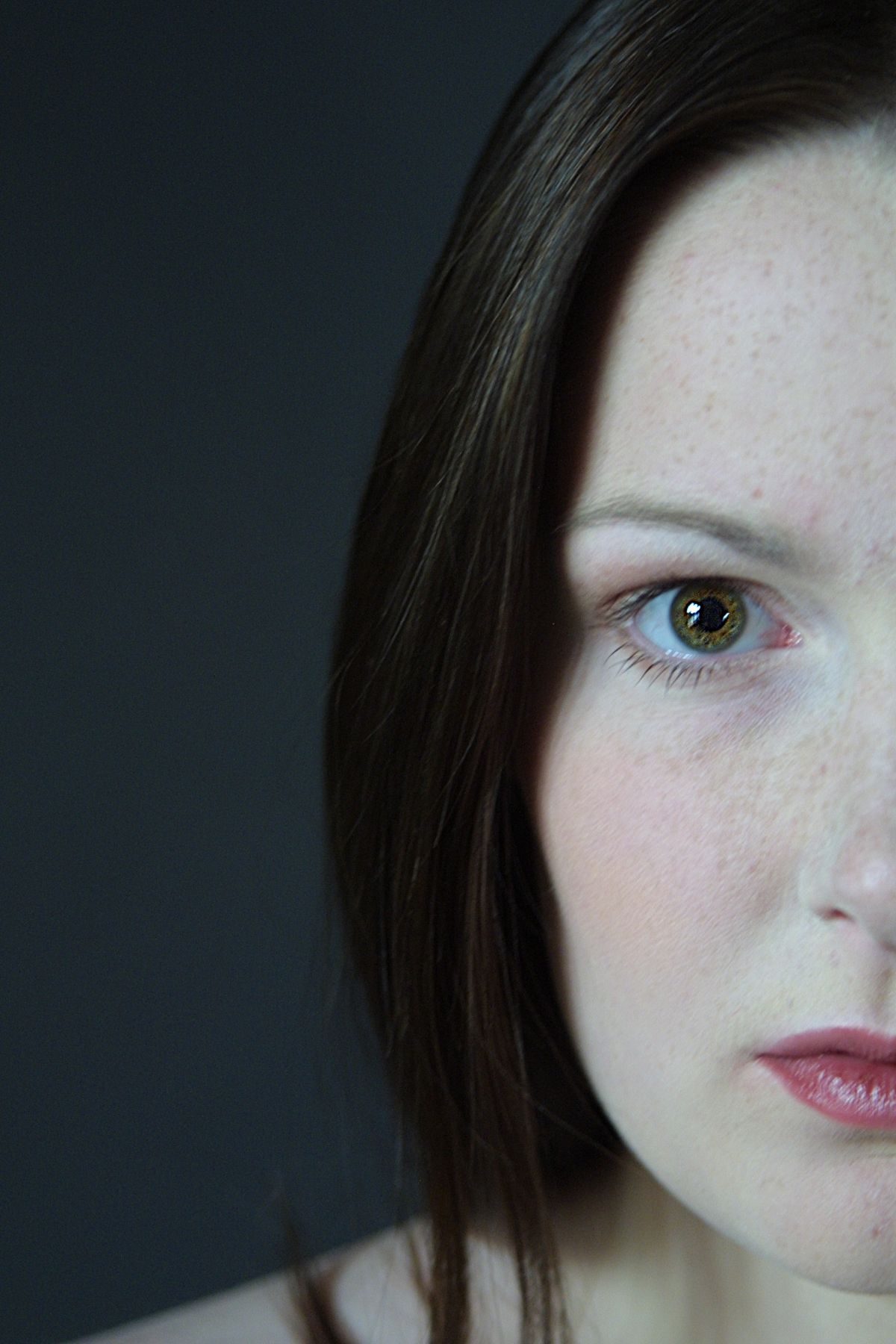
A close study of the gaze
Irene Matsuda
Small online studios where you draw, photograph and build beside a working mentor,
one deliberate decision at a time.
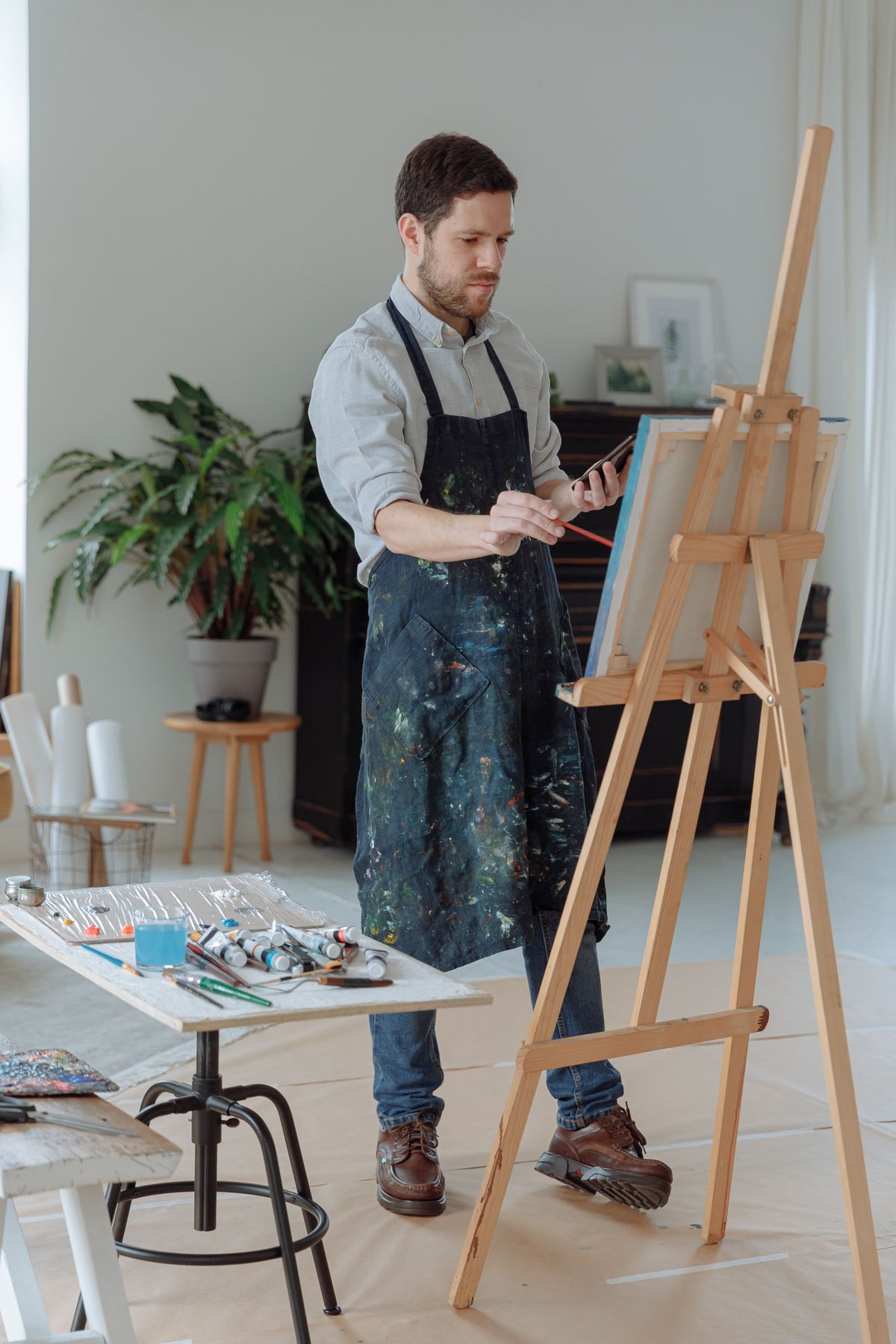
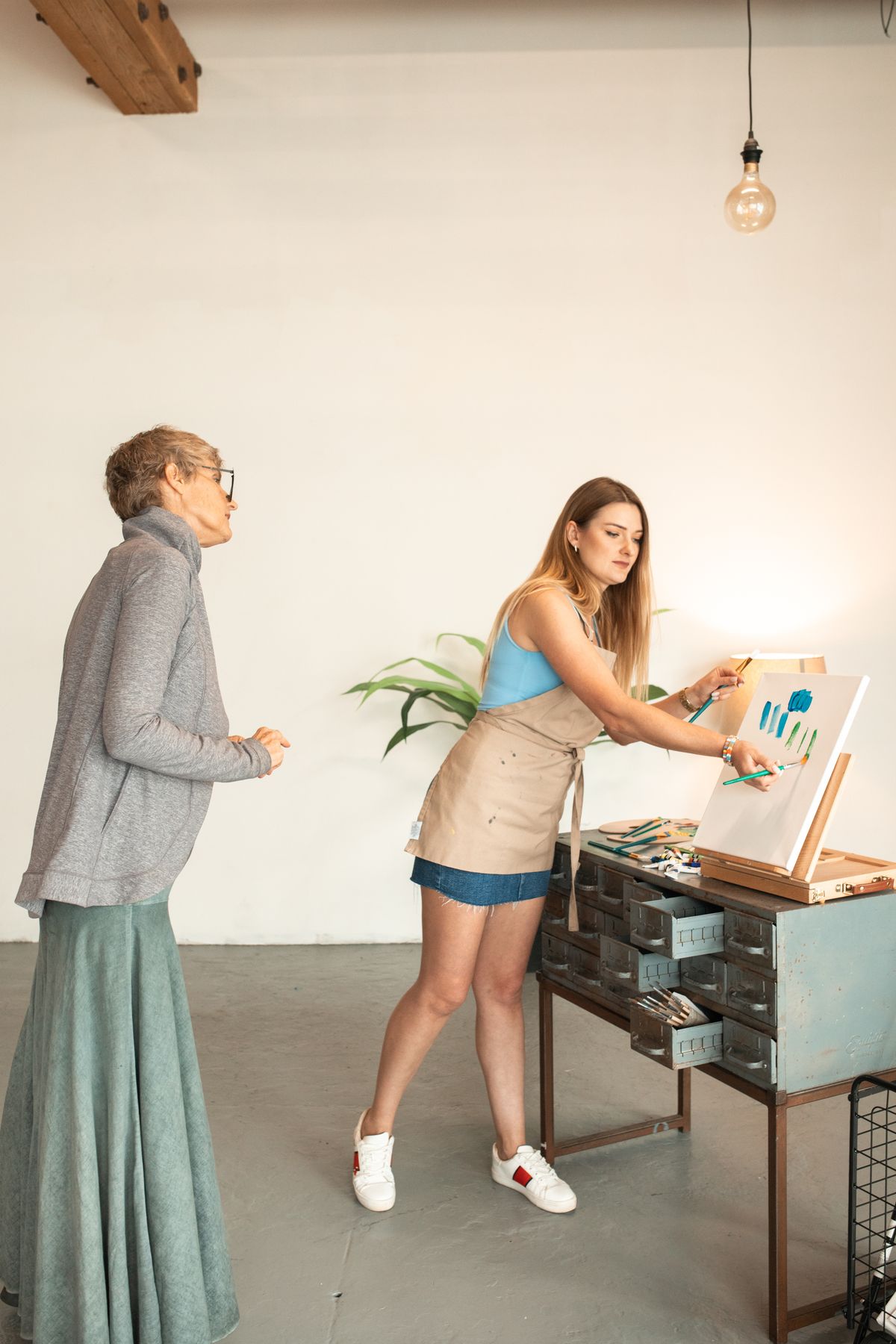

At Cobalt Easel nobody is boxed into a single software or craft.

Our graduates move easily between drawing, photography, objects and space. What carries across is not a technique but a habit: looking closely, then deciding on purpose.
Twelve weeks of drawing, colour and composition taught as one method
View program
Develop a recognisable voice and carry it through every medium you use
View program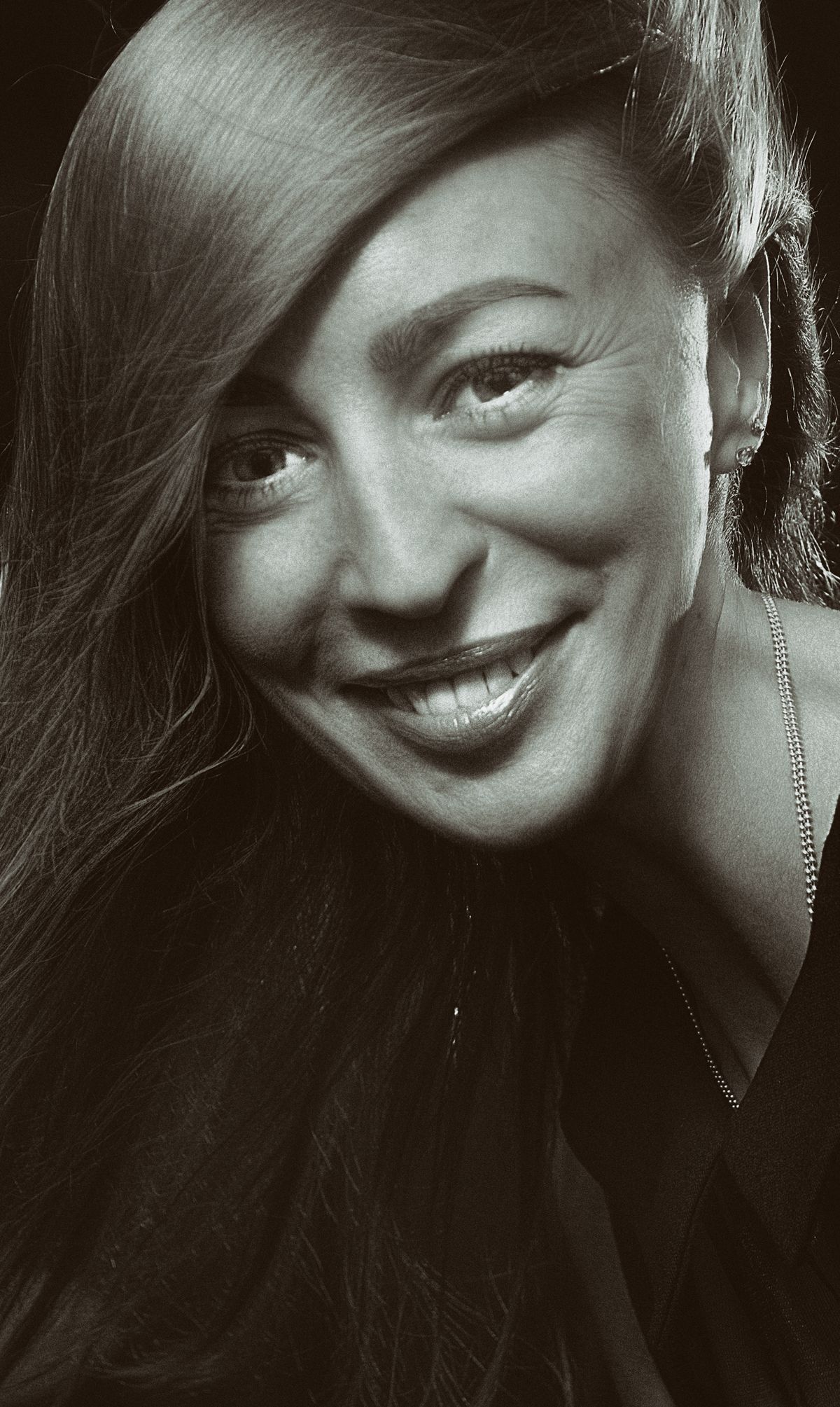
Hands-on image-making that treats the camera as a way of thinking, not a genre
View program
Work with rooms, objects and physical presence as your raw material
View programEach mentor keeps an active studio practice and brings it into small-group teaching.
 ELENA VIDAL Founder
 MARCUS FELD Art Director
 JUNE OKAFOR Spatial Artist
 TOMAS LINDQVIST Installation Artist
 RAFAEL DUARTE Visual Artist
 NIA ABRAMYAN Researcher
 PETER NOVAK Photographer
 DAVID OSEI Artist, Educator
Ready to move past software tricks and trends and build a stronger visual base.
Looking for authorship and purpose in their pictures, not only technical polish.
Who move between media and want a steadier practice and a clearer visual voice.
Coming from architecture, fashion or research and using visual thinking every day.
A close study of the gaze
Irene Matsuda
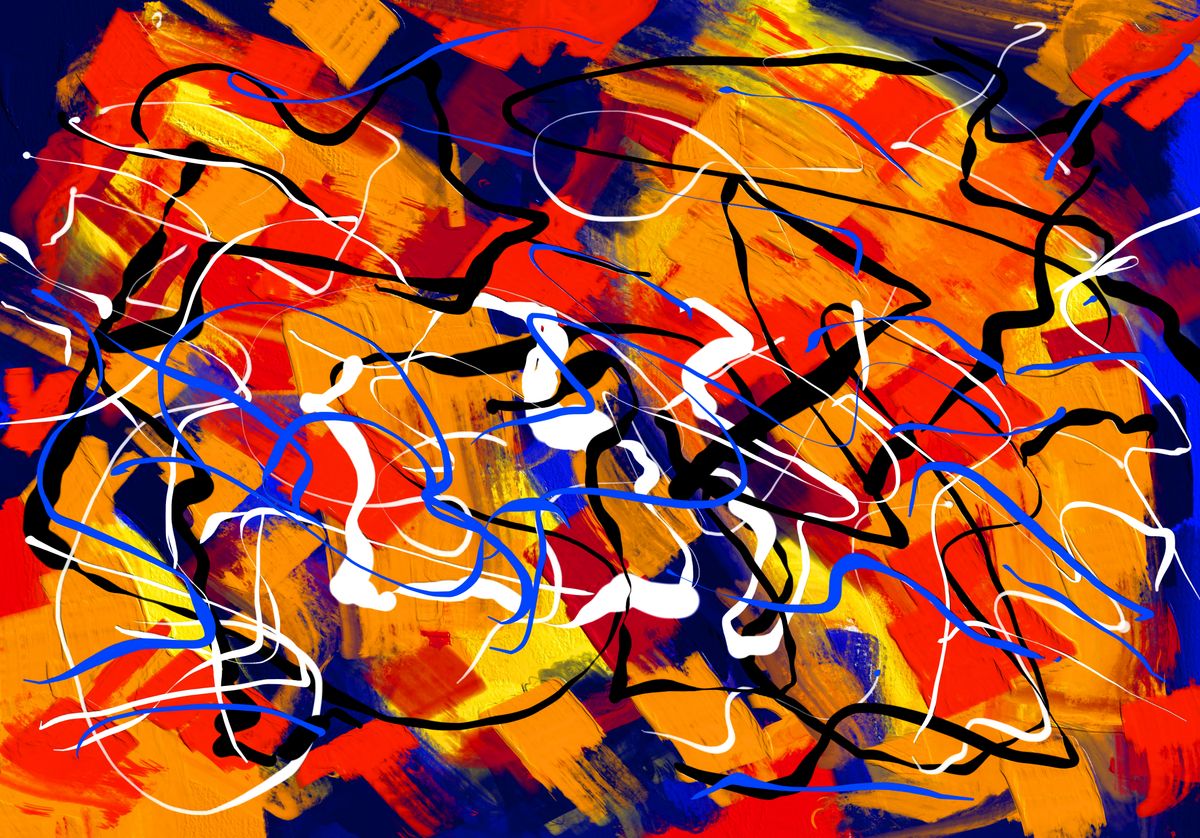
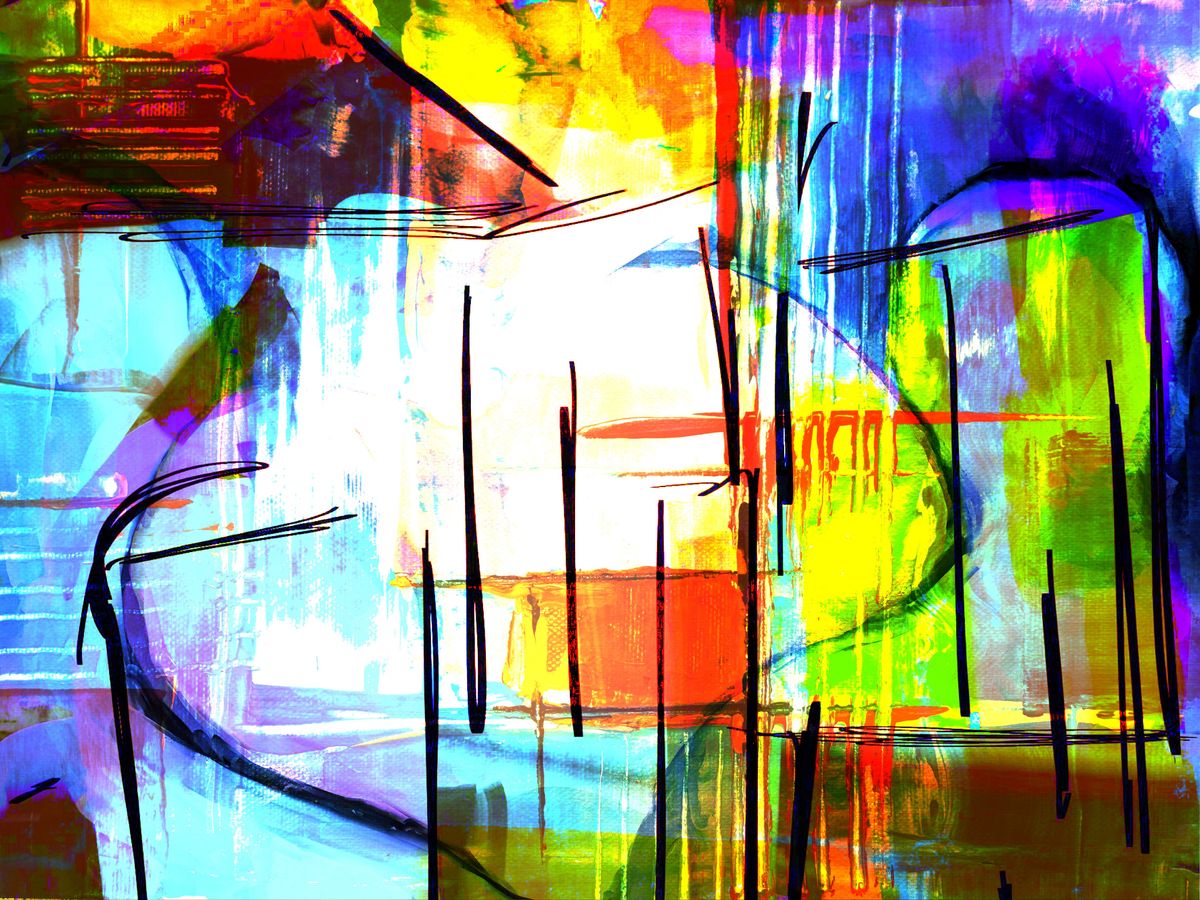
Colour and line woven into a layered abstract study
Jonah Keller
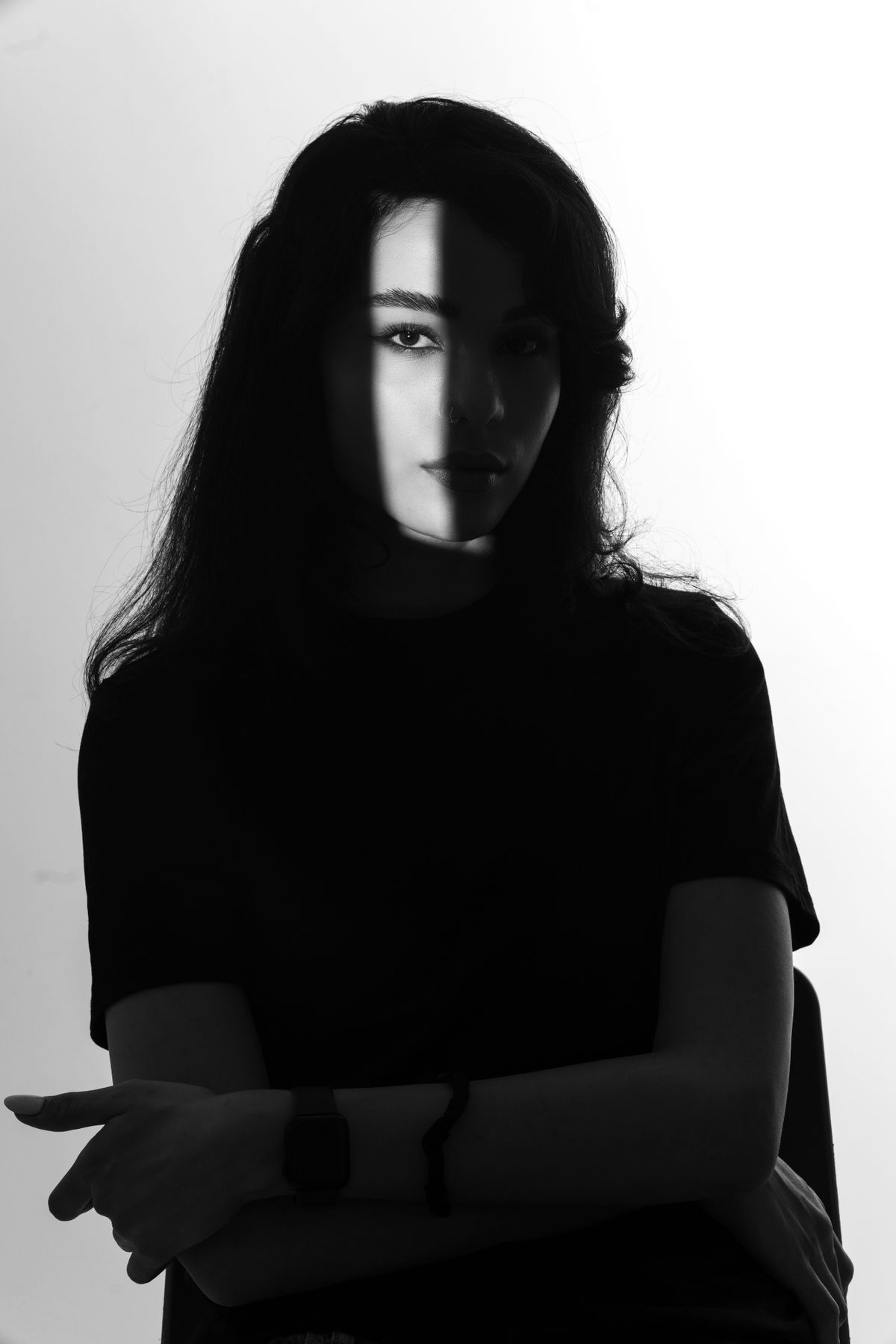
A portrait divided by light and shadow
Meiling Zhao
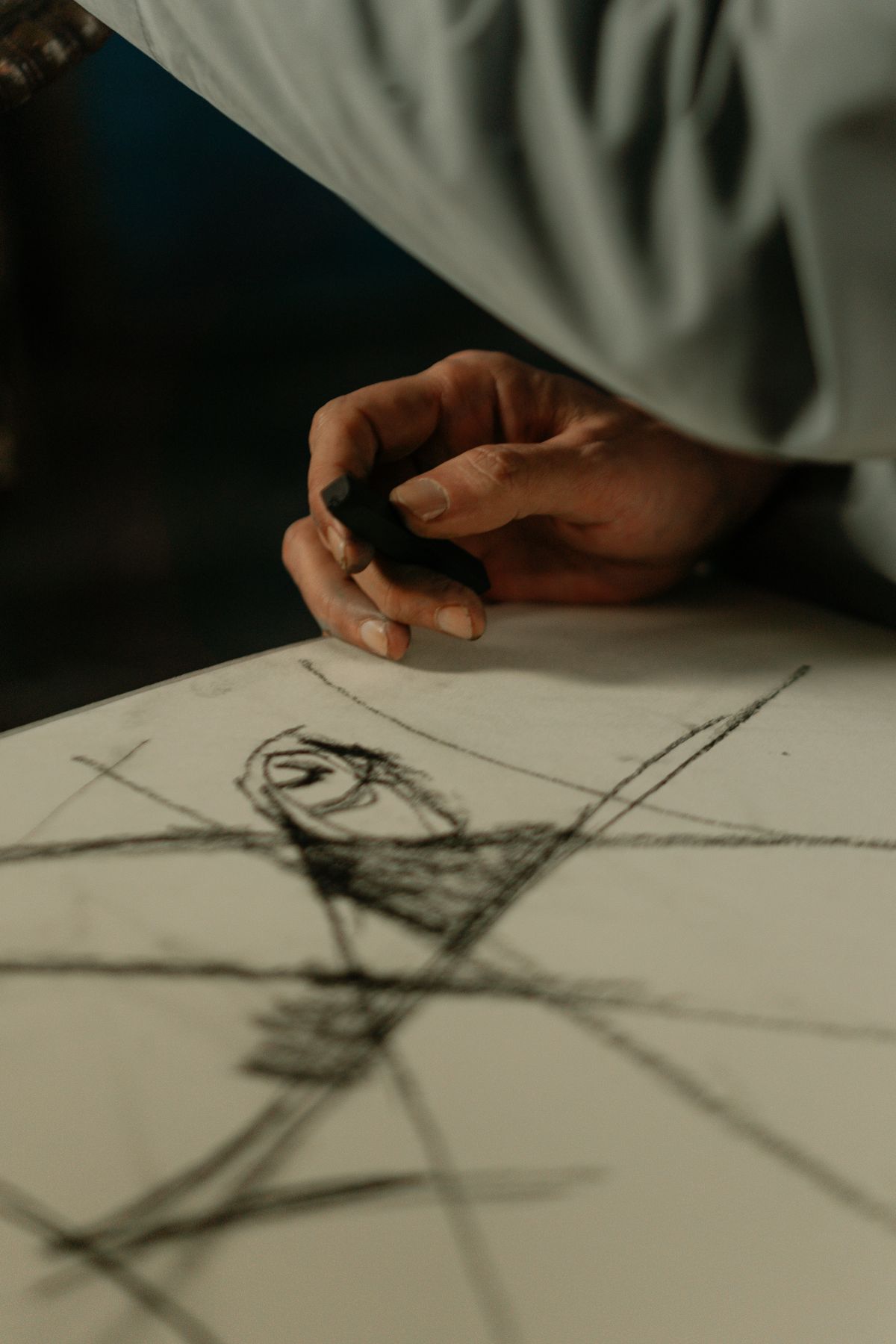
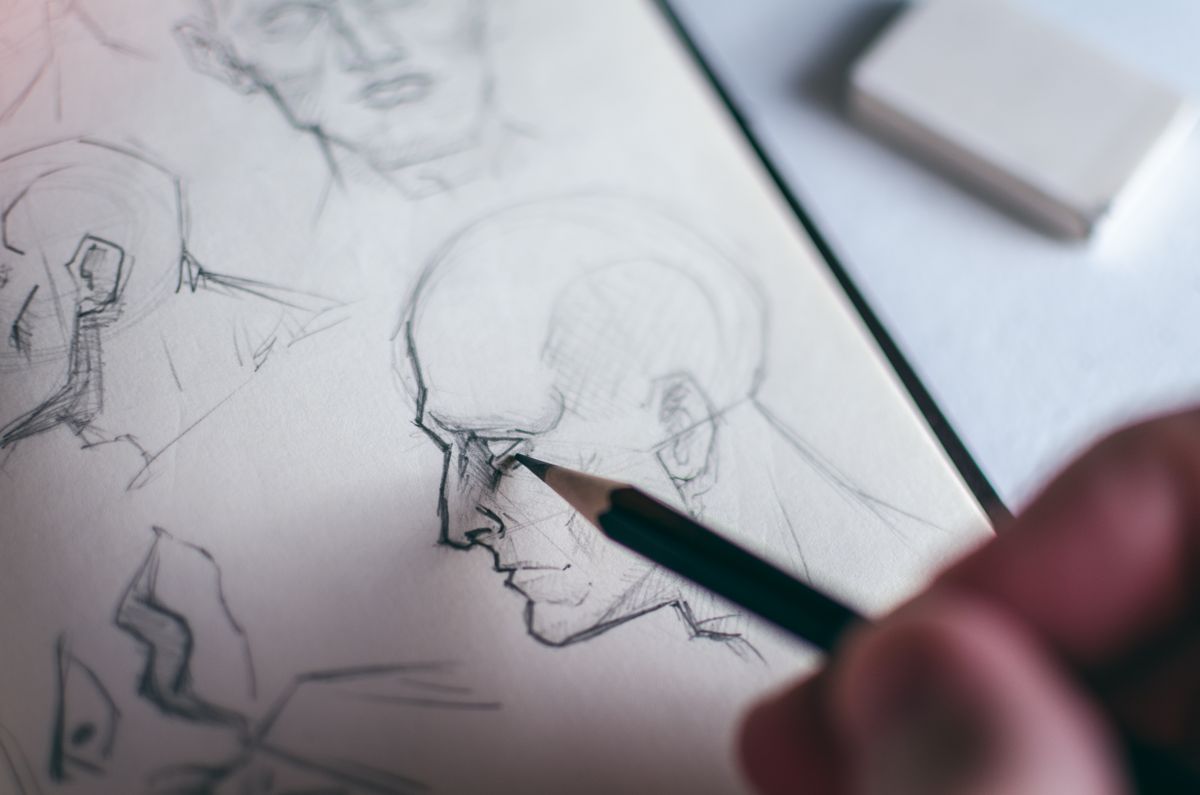
Lines built by hand and close observation
Elena Moreau
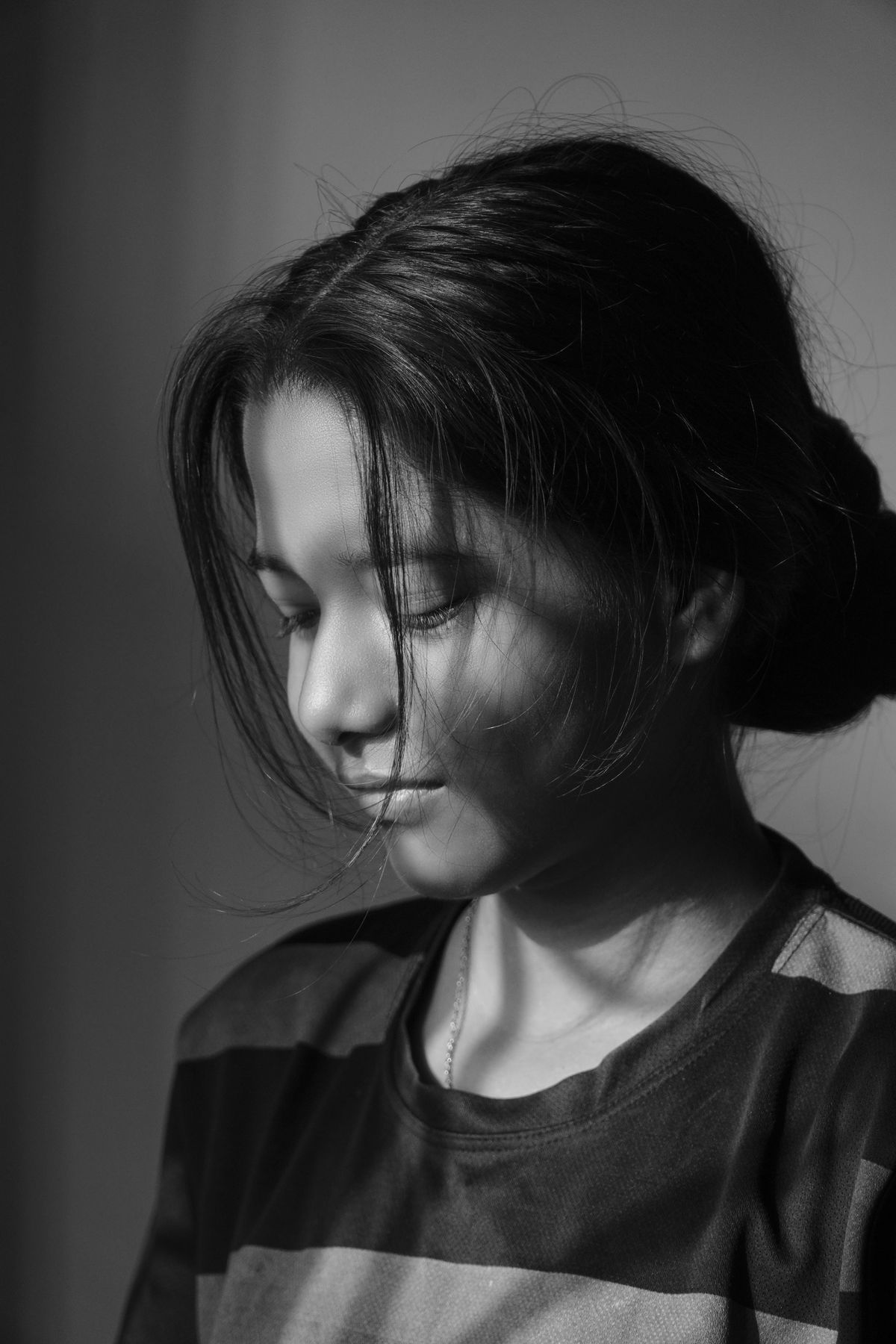
A quiet portrait shaped by soft light
Noah Vermeere
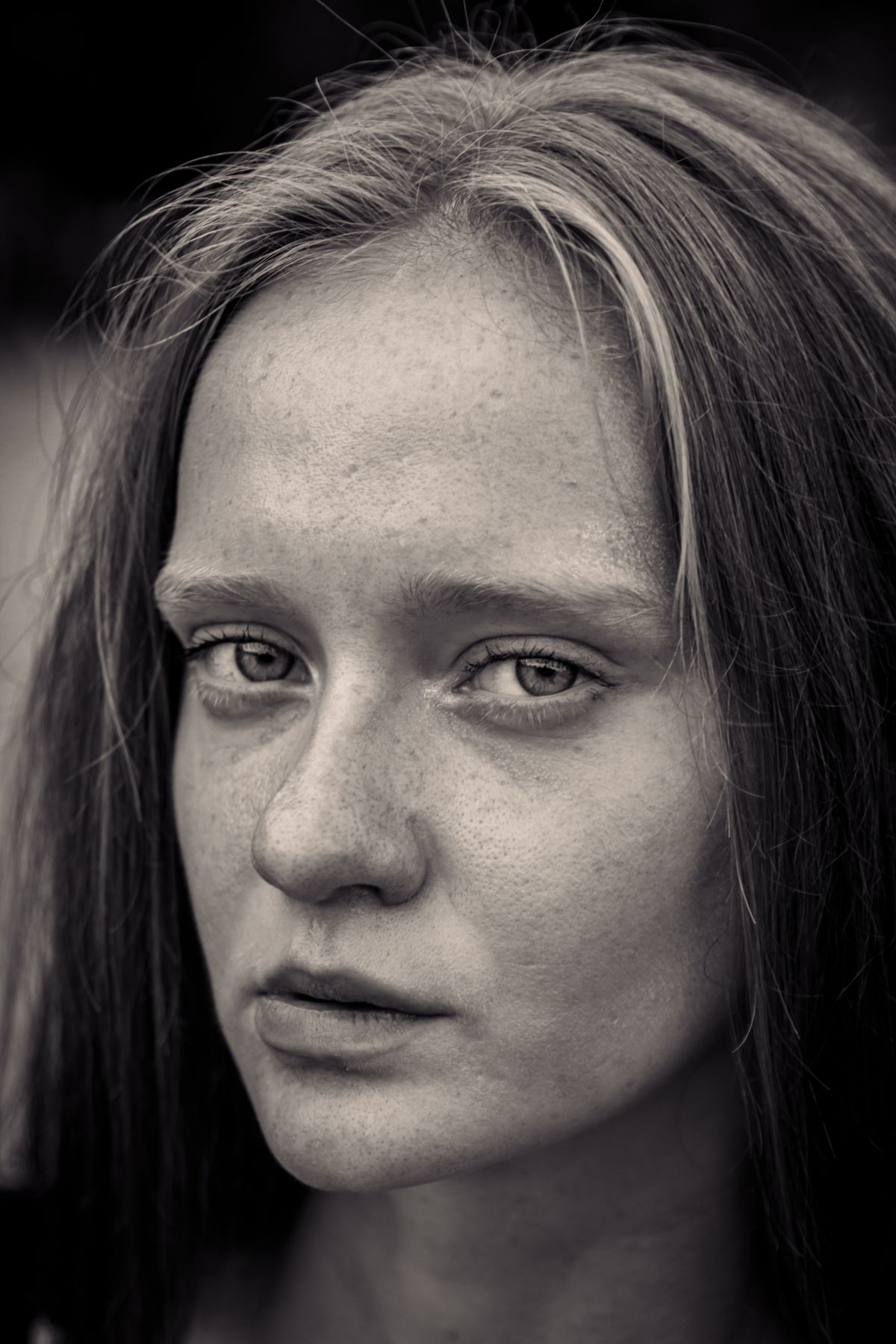
A direct portrait in monochrome
Daniel Weiss
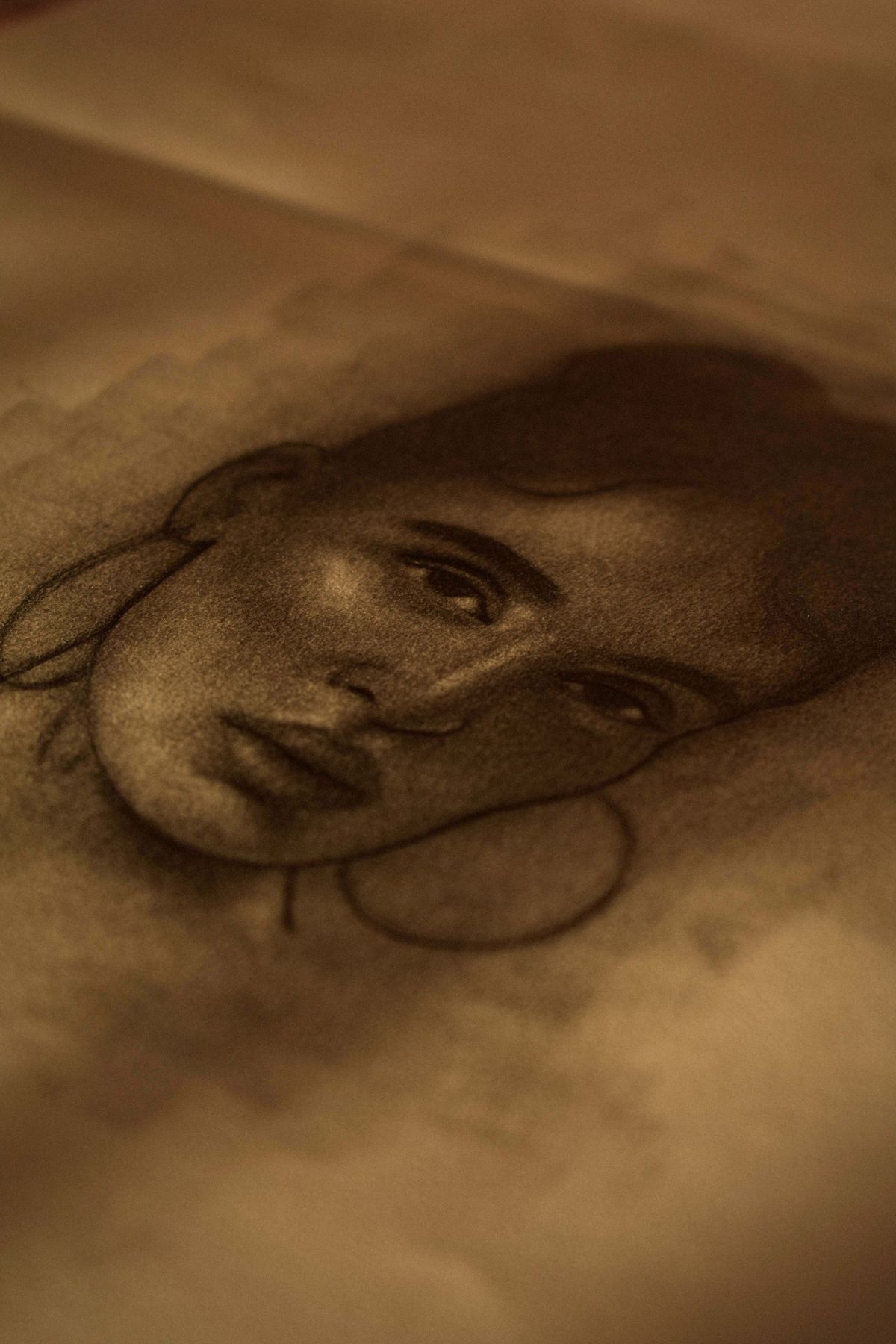
A face drawn through warm shadows
Clara Vigne
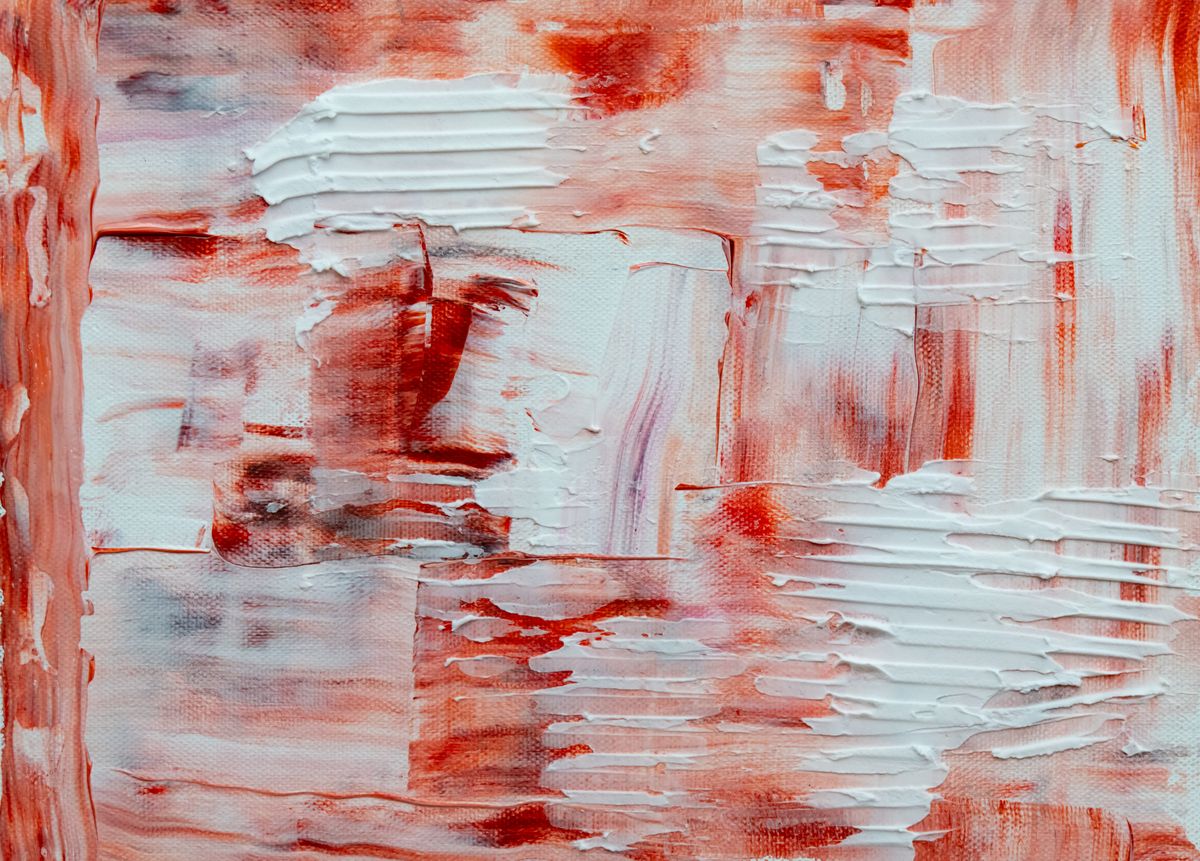
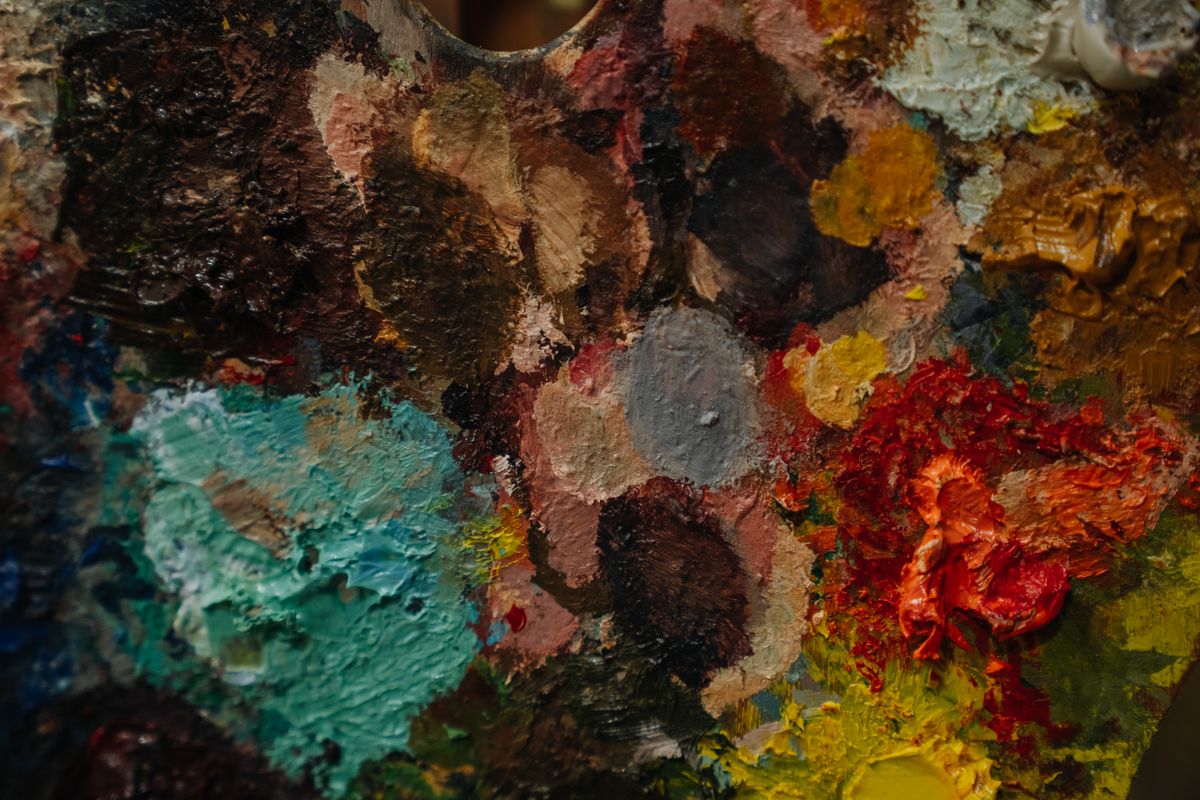
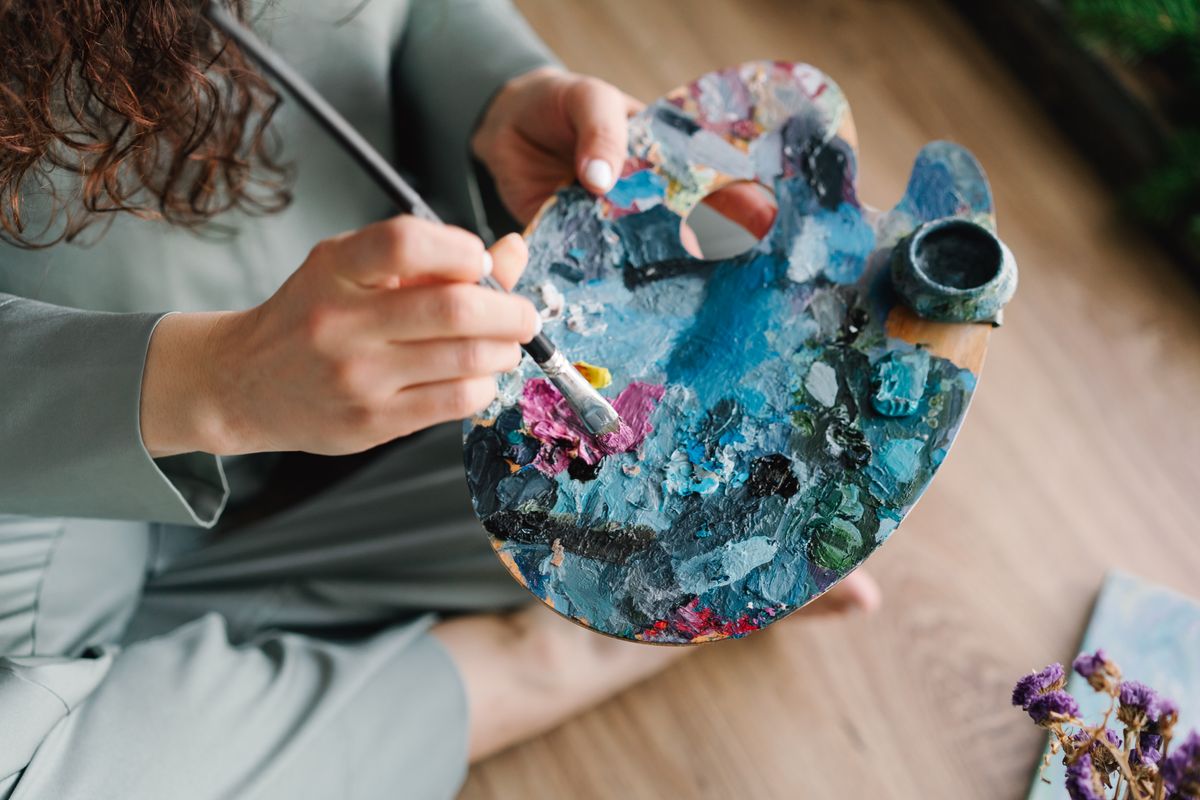
Thick paint, scraped edges and pale layers
Aya Nomura
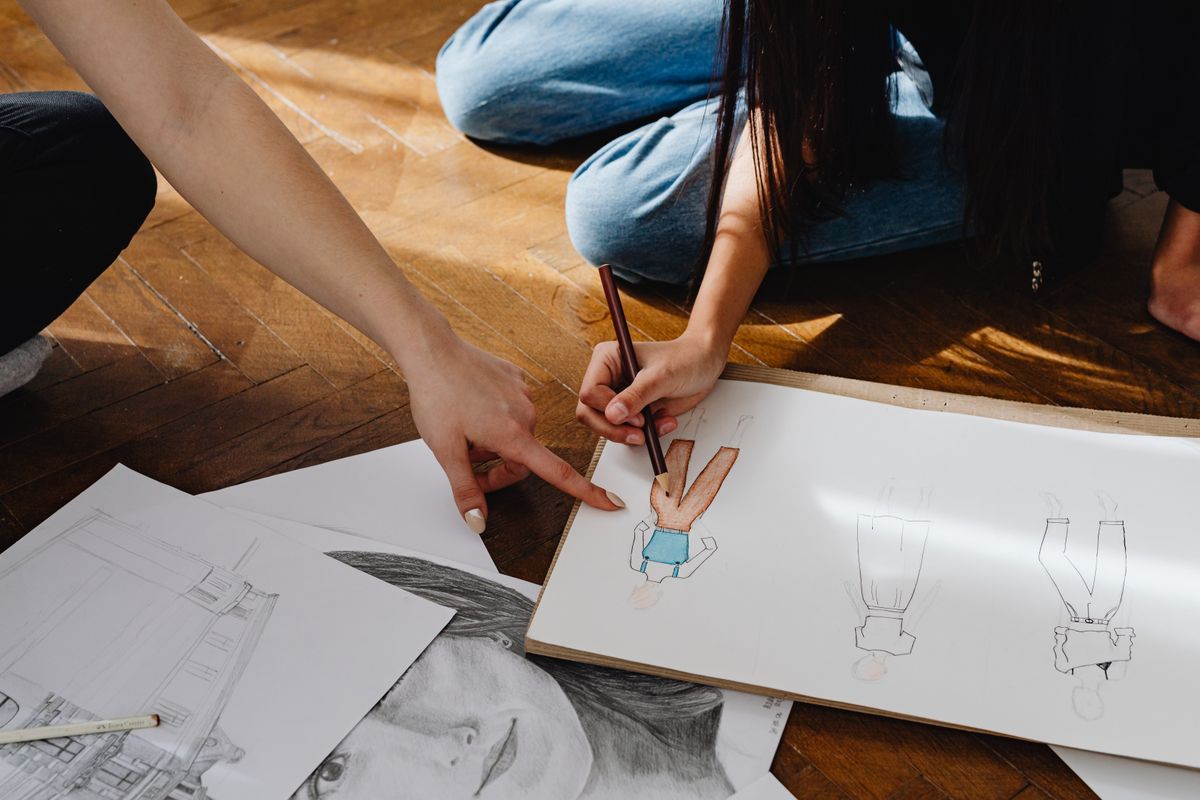 Photography
Drawing studies developed through shared observation
Samuel Boyd
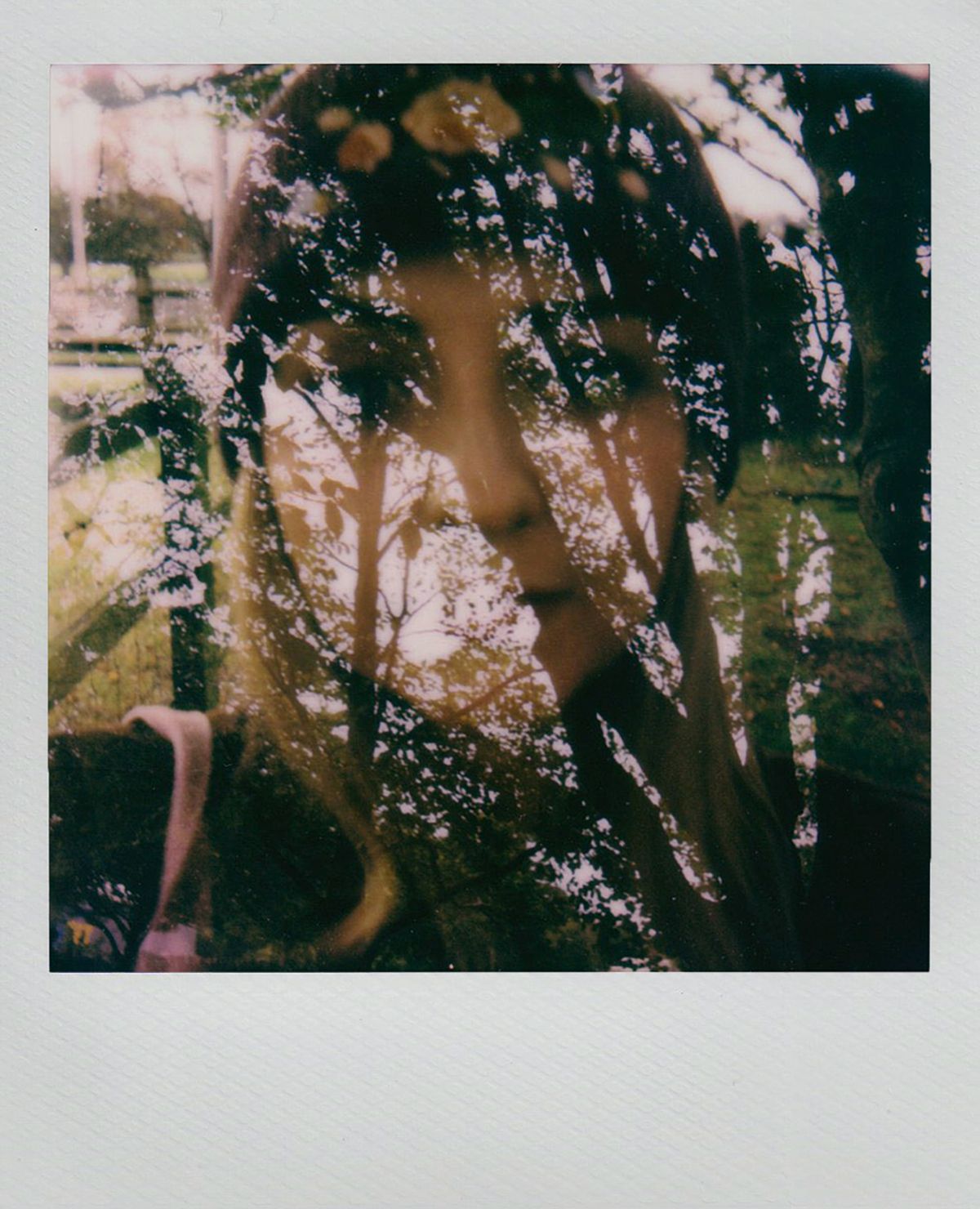
A face layered with branches and light
Mila Rios

Colour traced through movement and light
Lina Park
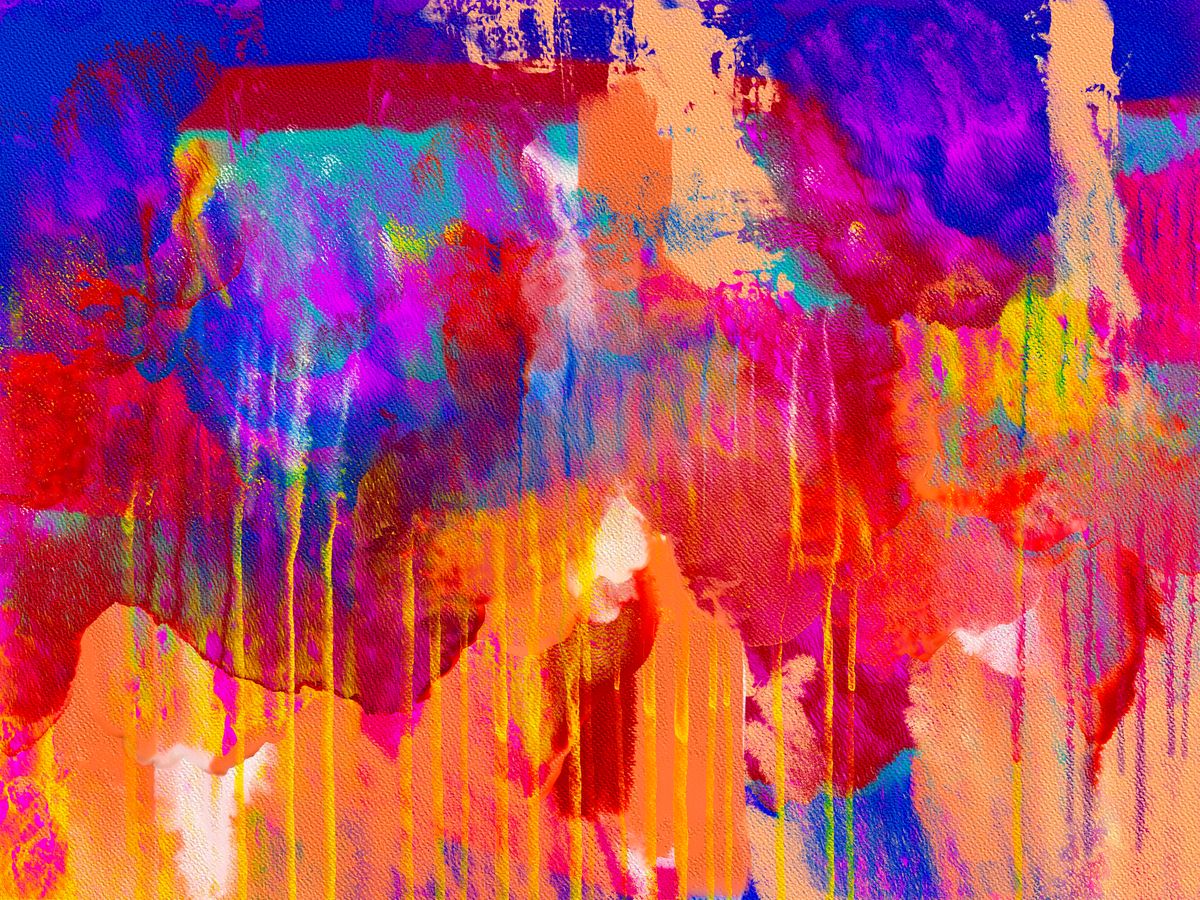
Broken colour and layered marks on canvas
Julien Marchand
Every week brings an assignment, and a longer project grows alongside it. Lectures are the smaller part.
Small-group critiques teach you to explain your choices, hear honest feedback and revise.
Projects cross image, object, space and form. The tools change; the way of working stays.
Small cohorts and direct mentor notes keep the attention on your own development.
This course changed how I look at pictures. I quit chasing a style and learned how to work.

I used to work on instinct alone. Now every choice has a reason behind it.

Coming from graphic design, I worried I would be out of place beside the painters. Instead the walls between disciplines came down and each became just another tool. I now build whole visual systems rather than single images, and I think differently about what authorship means.

The critiques were tough and fair, and my work grew up because of them.

Nobody tells you what to make here. They teach you how to look.

This program rebuilt the way I work from the ground up.

I thought I knew photography until the first module showed me otherwise. What you pick up here is patience, purpose and honesty with yourself, on top of craft.

I once trusted instinct and nothing else. Now I have a process: how to think in images, how to cut my own weaker ideas, and how to keep a body of work coherent. Every module felt like a personal mentor at my shoulder.

I arrived with a portfolio full of effects and left with a point of view. Every assignment forced a decision I could defend

Small groups, honest critique, and mentors who actually look at your work. I recommend it to every photographer I meet

The spatial program changed how I walk through rooms. I notice weight, interval, and light everywhere now

Worth every evening. The structure kept me making work through a busy year, and the cohort kept me honest

I stopped decorating and started deciding. That single shift is visible in everything I have made since

What to know about applying, the weekly schedule and how classes run
No. Some of our students already design or photograph; others arrive from unrelated careers. Curiosity and a willingness to experiment with images and ideas are what count.
Yes. Every completed program ends with a reviewed final project and a certificate of completion you can share with employers, clients, and schools.
Programs are part-time by design: one live session a week plus a weekly assignment of around six hours. Most students complete them alongside work.
Fully online. Live critiques run in small groups across time zones, and every session is recorded so you can revisit it any time.
Absolutely. Many students begin with Core Visual Foundations and continue into a second program. Returning students receive guidance on the best next step.
Tell us about your practice and we will help you choose a program and a start date.